
Best ChatGPT Alternatives That You Can Try

Since its launch, ChatGPT has set a high bar for conversational AI, powering everything from everyday Q&A to complex research, writing, and coding workflows. But by 2026, the landscape has grown dramatically. A wide range of competitors now offer specialized features, better integrations, unique strengths, and different philosophies — from privacy-first tools to search-centric assistants and productivity-boosting copilots.
In this article, we’ll explore the best alternatives to ChatGPT, comparing their strengths, ideal use cases, and why you might choose one over another.
1. ChatKit – Best Free ChatGPT Alternative
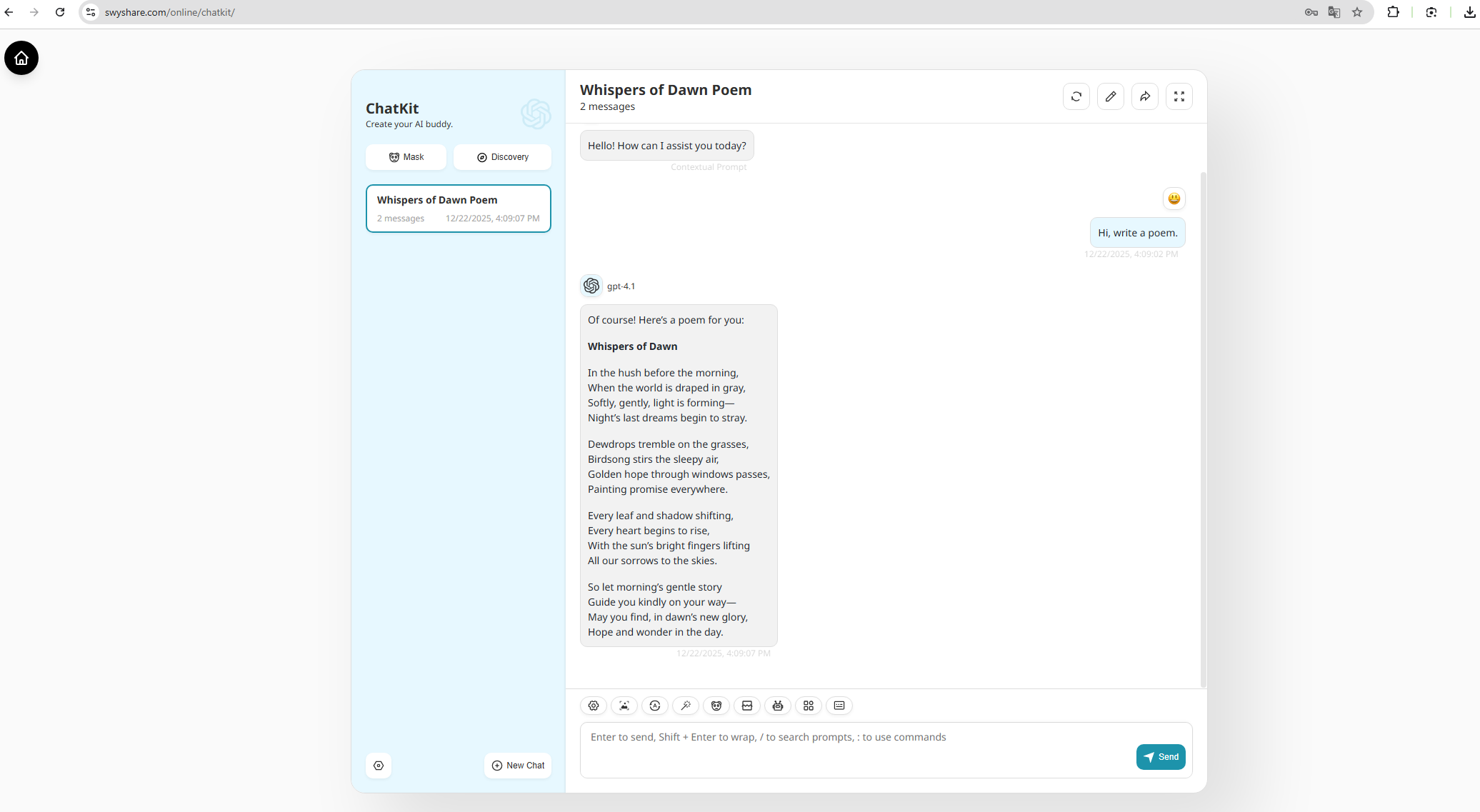
ChatKit is a lightweight and fast AI chat application that works across web browser. It lets you chat with a variety of large language models (like GPT-series, Claude, Gemini, and self-hosted models) through a unified interface you can deploy for free and customize to your needs.
Key Features of ChatKit:
- Supports multiple AI models (OpenAI, Claude, Gemini, and more)
- Self-hostable on platforms like Vercel or Docker
- Privacy-focused with local data storage and control of API key
- Lightweight and fast interface with Markdown support and dark mode
Why It’s Worth Trying:
ChatKit is an excellent free alternative to ChatGPT for users who want more control, privacy, and flexibility than many hosted chatbots offer. Because it’s self-hostable, you can tailor it to your workflow — from personal AI assistant setups to team or enterprise use cases — without being locked into one provider’s platform or pricing model. Its support for multiple AI models means you can experiment with different engines and choose the one that best fits your tasks.
2. Claude by Anthropic – Safety-Focused AI
Best for: Professional writing, research, and business use
About:
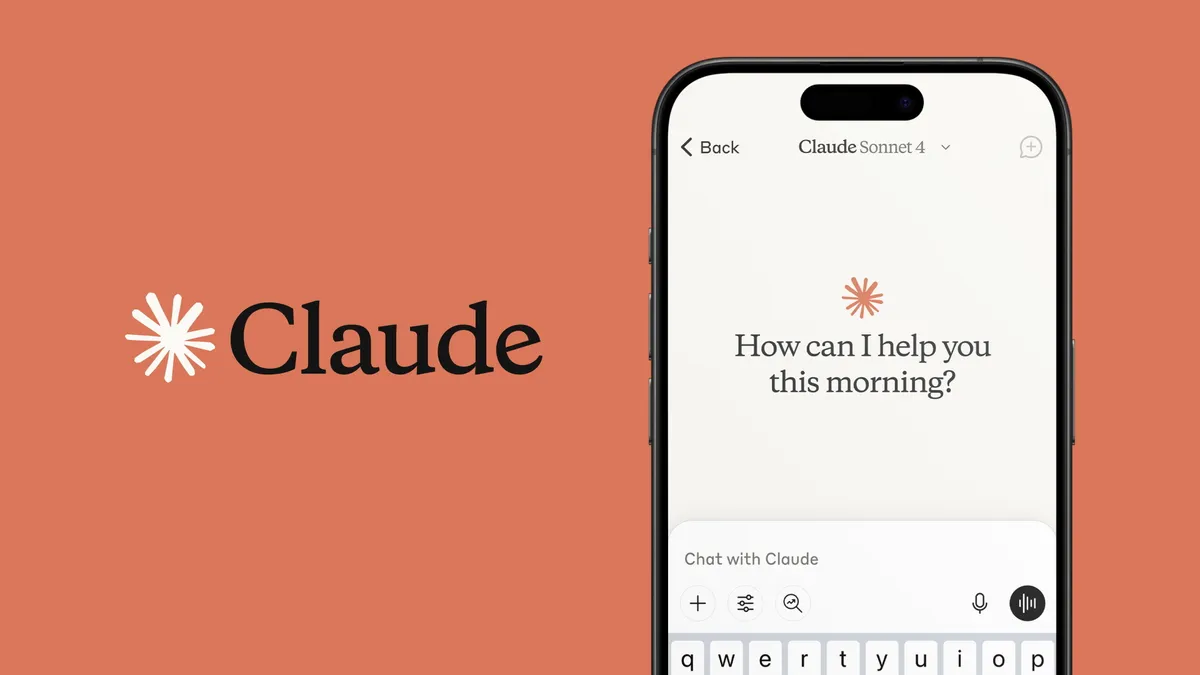
Claude prioritizes ethical and safe responses, with a conversational style that many find more intuitive and trustworthy than other AI assistants. It handles long documents well and is designed to reduce harmful or biased outputs.
Why It’s Great
Claude is ideal for users who value accuracy, ethical responses, and professional querying, such as legal or academic work.
3. Google Gemini – AI With Live Search and Integration
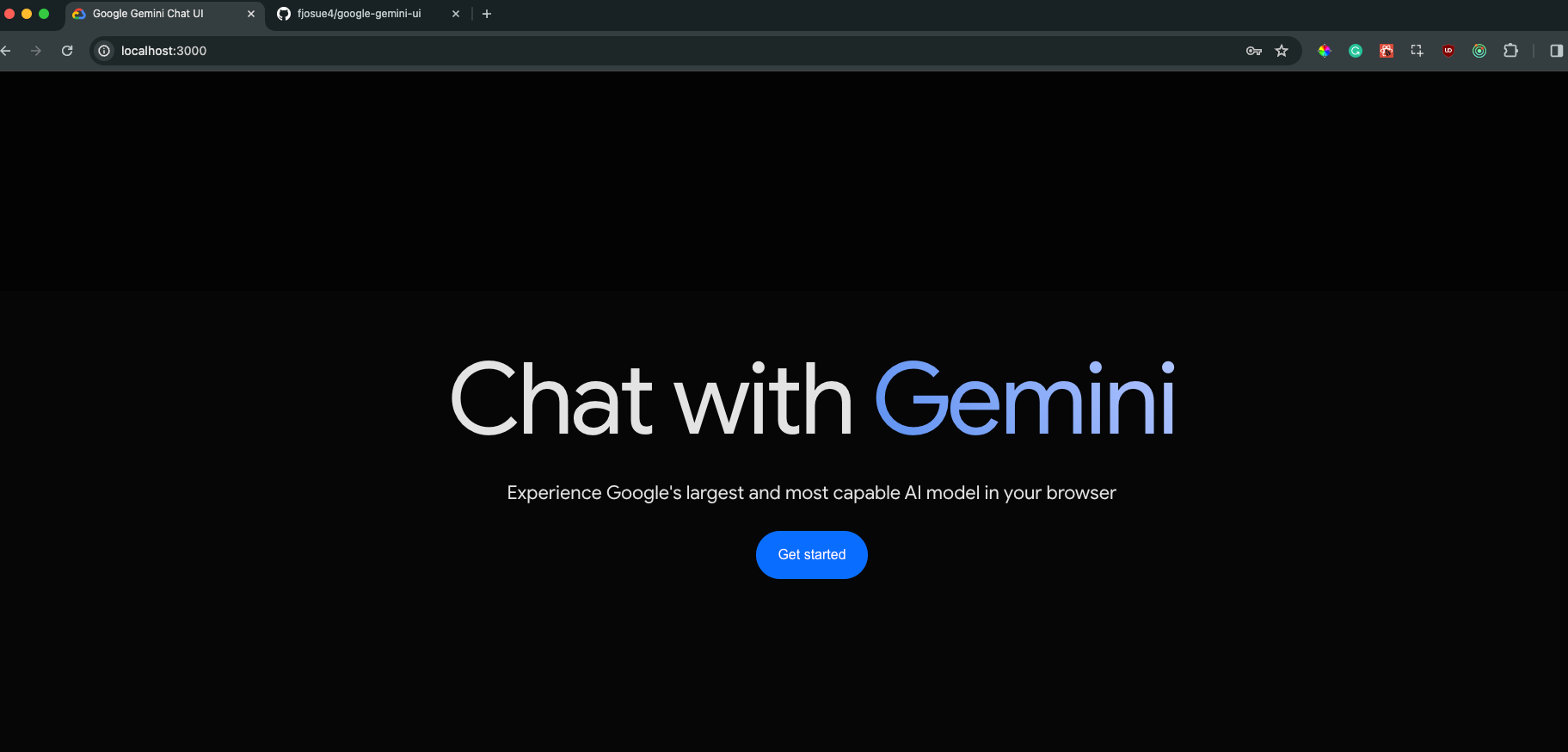
Google Gemini combines conversational AI with real-time search, giving up-to-date answers and deep integration with Google services like Gmail and Drive. This makes it extremely practical for daily tasks, research, scheduling, and document drafting.
Why It’s Great
If you live inside the Google ecosystem and need live data or contextual answers, Gemini is a strong choice.
Best for: Users needing current information and productivity
4. SonarSource – ChatGPT Alternative for Coding
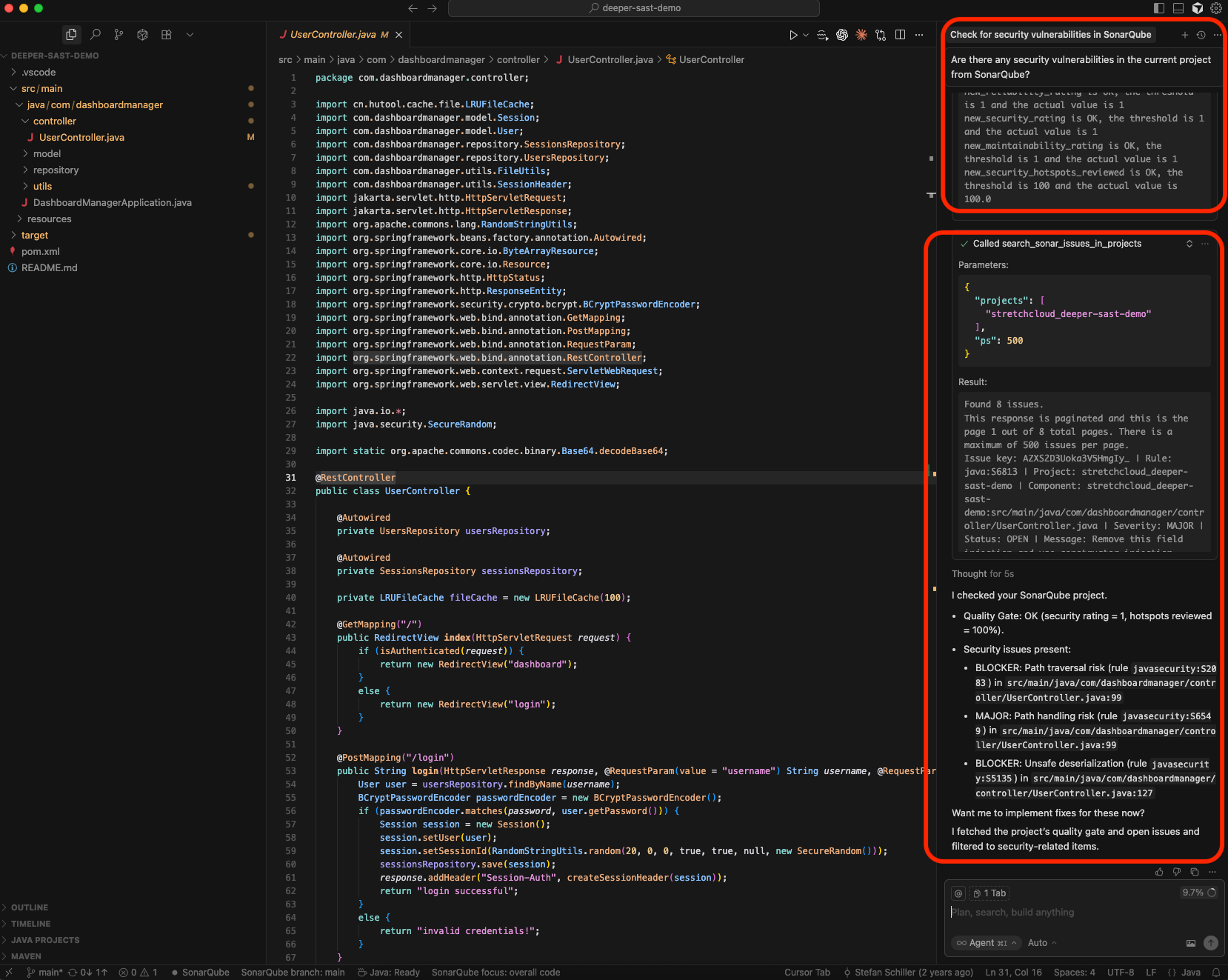
SonarSource is an AI-assisted code quality and security platform that helps developers detect bugs, vulnerabilities, and code smells, and even suggests fixes. Unlike ChatGPT, it focuses on analyzing and improving real code rather than generating conversational responses.
Key Features:
- AI-generated fix suggestions for detected issues
- Bug, vulnerability, and code smell detection
- Supports 30+ programming languages
- IDE and CI/CD pipeline integration
Why It’s Worth Trying:
If you already use AI tools to write code, SonarSource acts as a reliability and security layer, ensuring your code is clean, safe, and production-ready — making it a strong alternative and companion to ChatGPT for coding workflows.
5. Microsoft Copilot – Productivity AI Across Office Apps
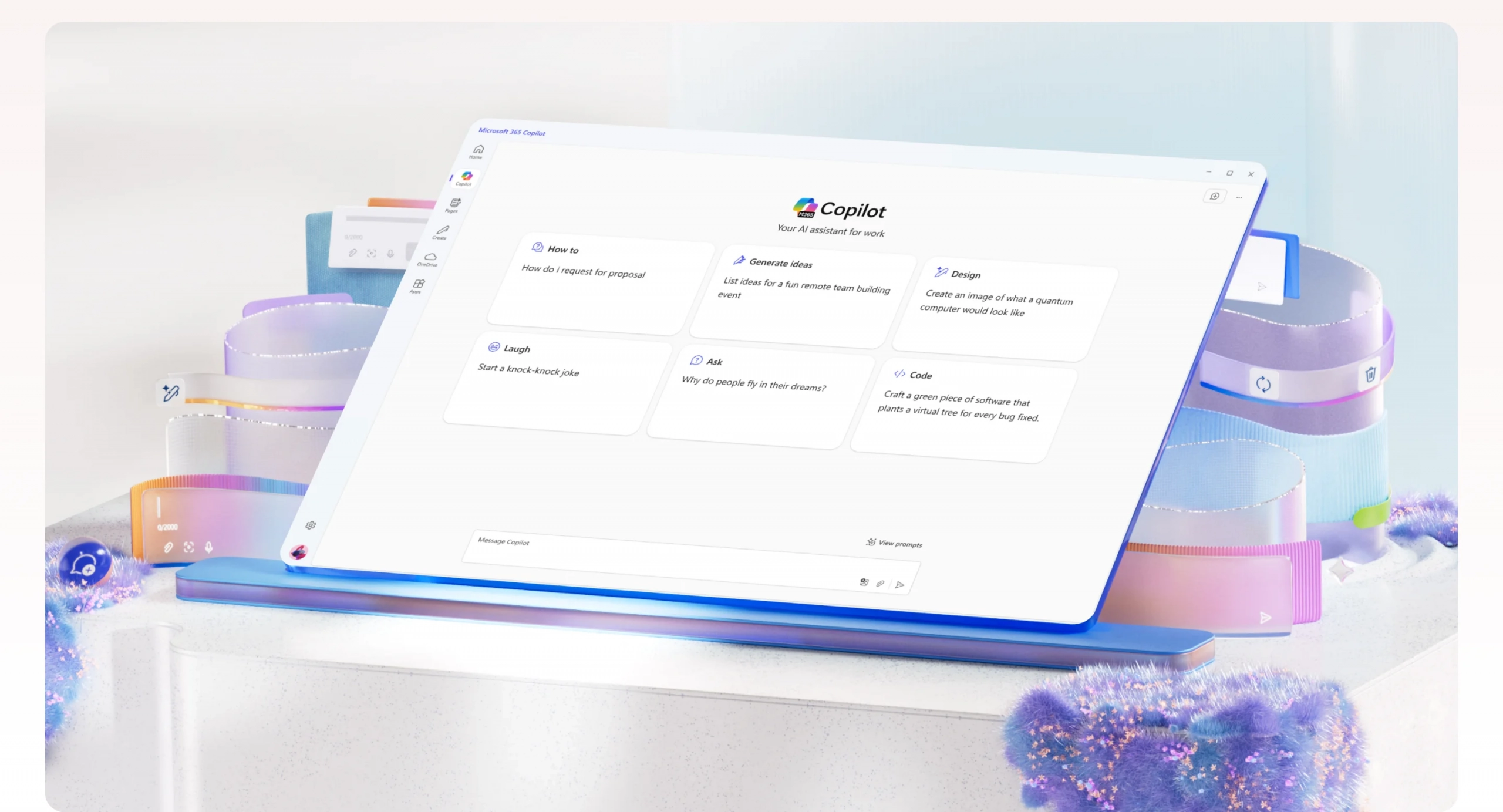
Microsoft Copilot integrates AI deeply into tools like Word, Excel, Outlook, PowerPoint, and Teams. It goes beyond chat — generating emails, summarizing meetings, analyzing data, and automating workflows.
Why It’s Great
For professionals, Copilot reduces tedious work and amplifies efficiency across commonly used software.
Best for: Enterprise users and workplace productivity
6. Perplexity AI – Research-Oriented Conversational Search
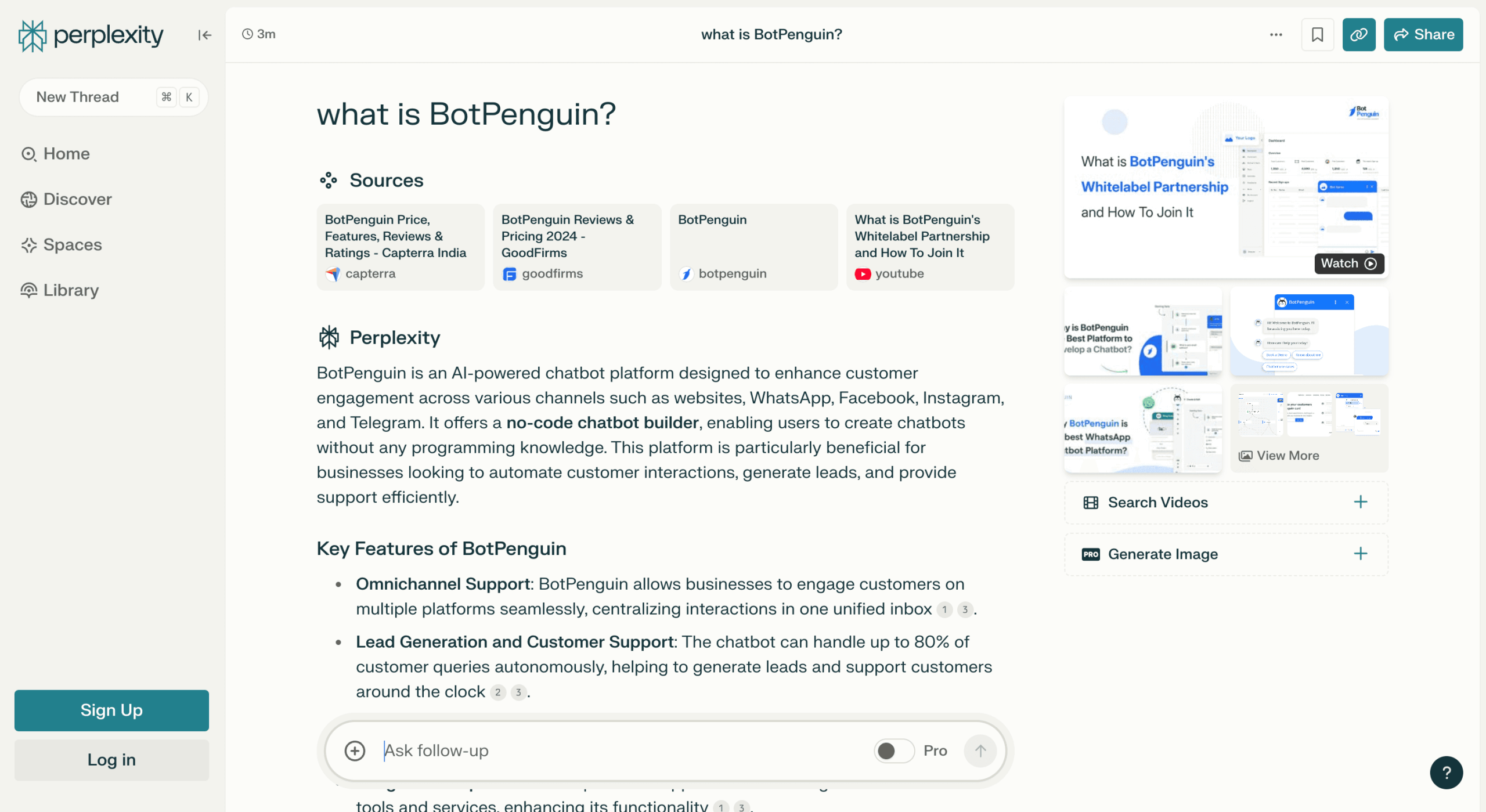
Perplexity pairs chat interactions with real source citations — making it a hybrid between a search engine and a conversational AI. Rather than generating ungrounded text, it offers answers backed by referenced sources where possible.
Why It’s Great
Perplexity’s citation system and live searching make it invaluable for in-depth research and fact-checking.
Best for: Students, researchers, journalists
7. Lumo AI – Privacy-First Open Source AI Assistant
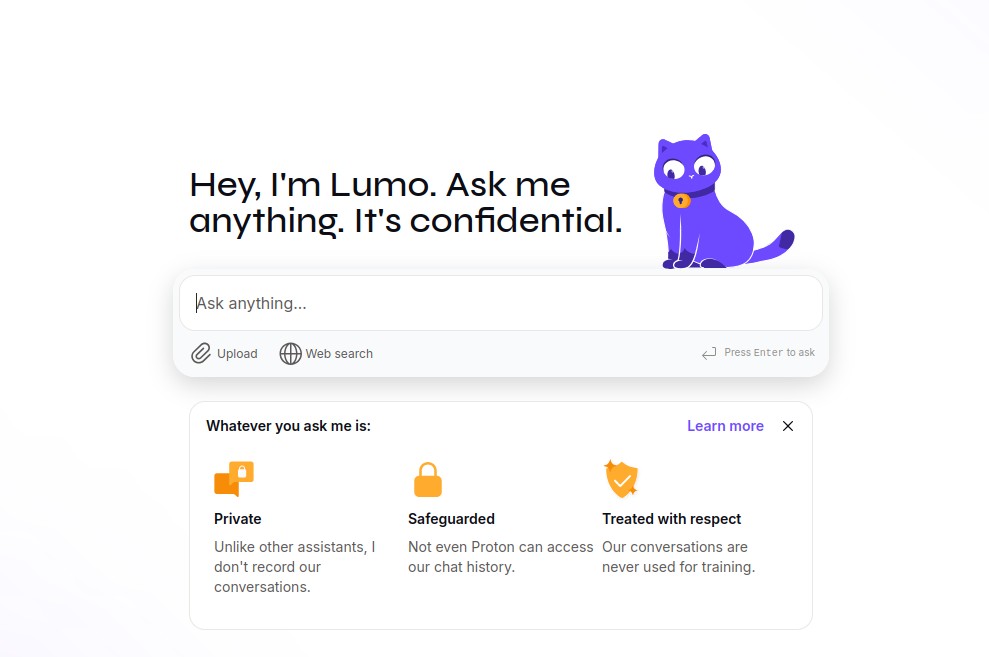
Lumo is an AI assistant built with privacy at its core — encryption and no chat logging — developed by Proton (known for Proton Mail and Proton VPN). It’s open source and designed so that only the user controls the data.
Why It’s Great
If you’re concerned about how chat data is stored or used, Lumo prioritizes end-to-end privacy while still offering powerful conversational abilities.
Best for: Privacy-conscious users
8. Grok AI – Social and Creative Conversation
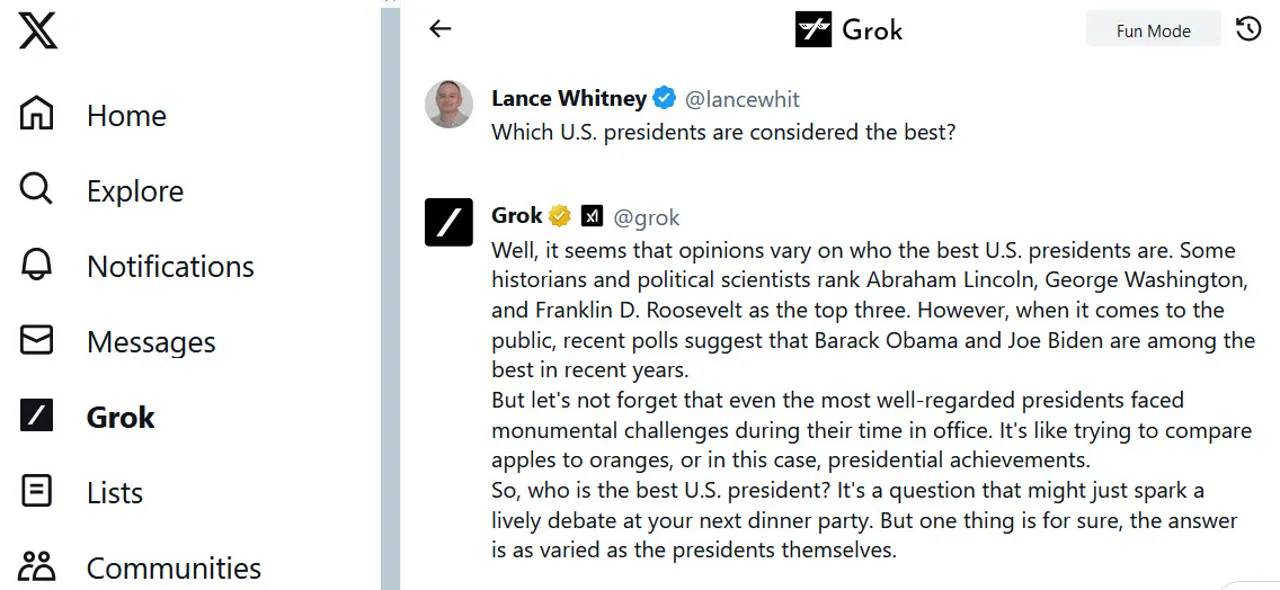
Developed by xAI (associated with X/Twitter), Grok is designed to be conversationally engaging and socially aware. Its personality-driven outputs make it fun for brainstorming and creative chats.
Why It’s Great
Grok is less formal than research or productivity tools but excels in imaginative and interactive dialogue.
Best for: Casual use, idea generation, social engagement
9. Conclusion
The rapid evolution of AI in recent years has made one thing clear: while ChatGPT remains a powerful and versatile tool, it is no longer the only — or always the best — option. By 2026, the AI assistant ecosystem has expanded into a diverse landscape of specialized solutions designed to meet very different needs.
Free and flexible tools like ChatKit give users greater control and customization without locking them into a single platform. Ethics-focused assistants such as Claude offer reliability and trust for professional and academic work, while Google Gemini and Microsoft Copilot shine through deep ecosystem integrations that boost productivity with real-time data and automation. For developers, SonarSource proves that AI isn’t just about generating code — it’s also about ensuring quality, security, and production readiness. Meanwhile, Perplexity AI raises the bar for research with source-backed answers, Lumo AI puts privacy first, and Grok AI brings a more creative and conversational experience to everyday use.
Ultimately, the “best” ChatGPT alternative depends on your priorities — whether that’s cost, privacy, coding accuracy, research credibility, or workplace efficiency. By choosing the tool that aligns with your workflow, you can build a smarter, more effective AI stack that goes beyond a one-size-fits-all chatbot and truly supports how you work, create, and explore information and beyond.


